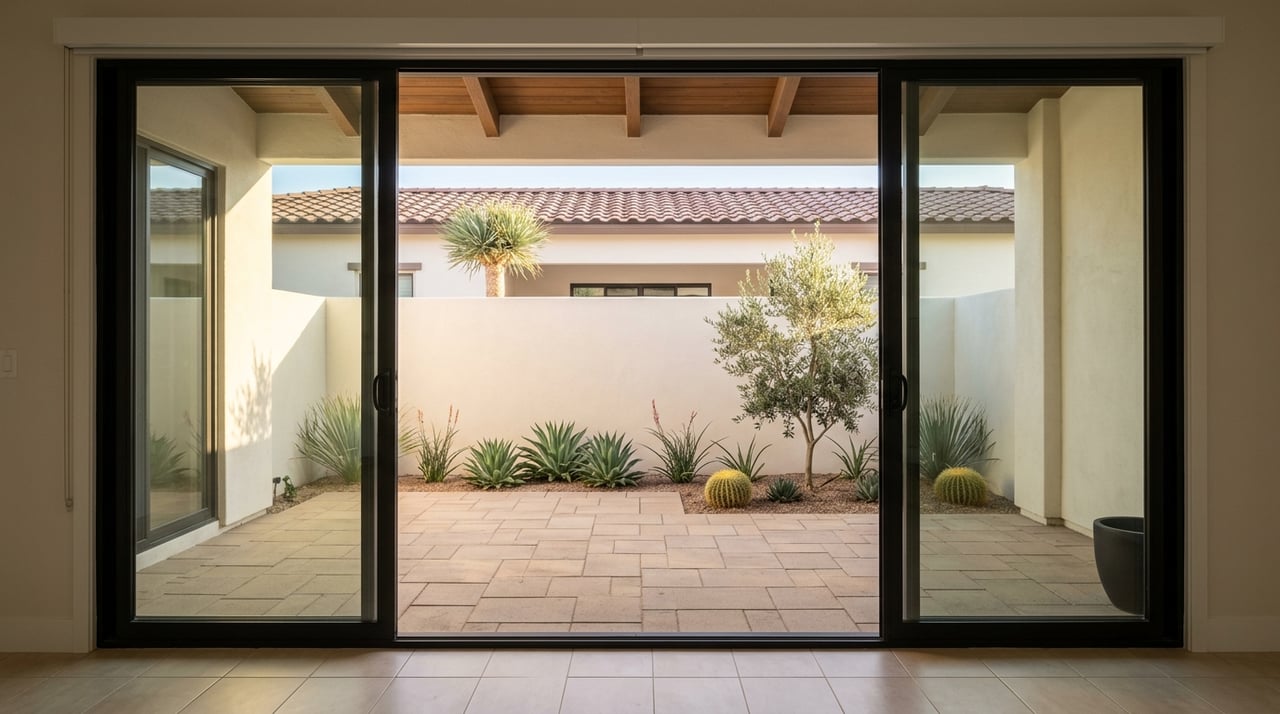
If you are torn between a Palm Springs condo and a house, you are asking the right question. In this market, the choice is not just about square footage or curb appeal. It is about how you want to live in the desert, how often you will be here, and how much day-to-day upkeep you want to take on. This guide will help you compare the real tradeoffs so you can choose a desert base with more confidence. Let’s dive in.
Why this choice matters in Palm Springs
Palm Springs has a meaningful mix of both single-family homes and condos. According to the city’s General Plan, single-family homes are the most common housing type, with about 22,210 units, while condos account for about 13,511 units, or nearly one-third of the city’s homes.
That matters because condo ownership is not a niche option here. The city also notes that condo projects are often used as second homes, which makes lock-and-leave ownership a familiar part of the local market. If you are shopping for a seasonal retreat, that can make condos especially worth a close look.
The desert climate also changes the ownership equation. NOAA data for Palm Springs Regional Airport shows a July average high of 108.6°F, and annual precipitation is just 4.61 inches. In a place this hot and dry, exterior upkeep, irrigation, and landscaping choices can have a bigger impact on your time and budget.
The Coachella Valley Water District adds another important point. Nearly 70% of residential water use in the valley happens outdoors, which means yard care and irrigation are not small details. They are a real part of owning property in Palm Springs.
What “condo” and “house” really mean
Before you compare lifestyles, it helps to understand the legal side. In California, a condo is an ownership form, not just a building style. The California Department of Real Estate explains that condo owners hold a separate interest in their unit plus an undivided interest in the common area.
That means a condo can look very different from one community to another. Some condos are attached units with shared walls, while others are detached site condominiums that may look and feel more like single-family homes. Even so, the ownership structure still includes condo rules, common assessments, and HOA governance.
This is where many buyers get tripped up. A property that looks like a house may still come with HOA rules and shared obligations if it is legally structured as a condominium or planned development. In Palm Springs, it is smart to look past appearances and focus on who owns what, who maintains what, and what rules apply.
Palm Springs condos: easier upkeep, more shared structure
A condo often appeals to buyers who want simpler ownership. If you plan to use your property as a second home or seasonal getaway, a condo can make arrival and departure easier. That is especially relevant in Palm Springs, where the city notes that condos are often used as second homes.
For many condo owners, the biggest benefit is shared maintenance. Under California Civil Code, the HOA generally repairs, replaces, and maintains the common area, while you are usually responsible for the interior of your separate interest. If there is exclusive-use common area, such as a patio or similar space, you may maintain it while the HOA handles repair and replacement unless the governing documents say otherwise.
That setup can reduce the number of exterior tasks landing directly on your to-do list. In a desert climate, that can be valuable. When high heat, irrigation needs, and exterior wear are part of everyday ownership, having some responsibilities handled at the association level may feel like a real advantage.
The tradeoff is that condo living usually comes with more shared decision-making. HOA dues, architectural standards, parking rules, rental restrictions, and community policies can all shape how you use the property. A condo may offer lower-touch living, but it also means you are buying into a structure of rules and shared costs.
Palm Springs houses: more control, more responsibility
If privacy and autonomy top your list, a house may be the better fit. A detached single-family home without an HOA often gives you the most control over your yard, exterior design choices, and daily use of the property. For many buyers, that freedom is a major reason to choose a house.
A house can also feel more personal and flexible. You may have more separation from neighbors, more room to spread out, and fewer community-wide restrictions. If you want your desert base to feel distinctly your own, that can be hard to beat.
But more control comes with more responsibility. Without an HOA taking care of shared systems or exterior maintenance, you are usually responsible for the roof, yard care, exterior finishes, irrigation, and landscaping. In Palm Springs, where the climate is intense and outdoor water use matters, those ownership tasks can be more noticeable than they would be in other markets.
It is also worth remembering that some Palm Springs properties are subject to local review standards. The city notes that some hillside or historic properties may require extra architectural review for additions, landscaping, or exterior changes. So even with a house, freedom is not always unlimited.
Don’t assume detached means no HOA
One of the most important Palm Springs buying lessons is this: detached does not always mean independent. The California Department of Real Estate notes that planned developments can include detached homes while still being governed by an HOA. These communities may include private streets and shared amenities such as pools, clubhouses, lakes, and other recreational features.
In other words, some homes that look like classic single-family properties still involve dues, rules, and association oversight. This is common in many desert communities where shared amenities and maintained common spaces are part of the lifestyle. If you are comparing a condo and a house, the better comparison may actually be low-maintenance HOA living versus more independent ownership.
That is why the legal structure matters as much as the floor plan. A house in a planned development may offer more privacy than a condo, but it can still carry many of the same governance issues buyers need to understand clearly before closing.
Match the property to how you will use it
The best choice often comes down to your real lifestyle, not an abstract preference. If you will be in Palm Springs only part of the year, a condo or townhome-style property may fit better because it can offer a more streamlined ownership experience. If you picture easy departures, less exterior oversight, and a straightforward return each season, that may point you toward a condo.
If you plan to live here full-time, entertain often, or want more outdoor space and privacy, a house may align better. A detached property can give you more flexibility in how you enjoy the yard, patio, and exterior spaces. That can be especially appealing if your vision of desert living centers on indoor-outdoor use.
If you are considering a vacation home with rental potential, property type is only one part of the analysis. Palm Springs regulates vacation rentals and event houses, and the city states that rental homes require registration. Special events also require registration and public notice, so city rules and HOA rules can both affect how a property may be used.
Compare the real costs, not just the price
A lower-maintenance property is not necessarily a lower-cost property. In HOA-governed communities, some ownership costs are bundled into monthly dues rather than handled separately. That can make budgeting more predictable, but it can also hide the true cost if you only compare purchase prices.
The California Department of Real Estate notes that HOA budgets must disclose cash reserves, the remaining life of common-area facilities, and the method for repair or replacement. The same guidance notes that special assessments can be levied. That means a community with attractive dues on paper may still carry future cost risk.
When you compare options, look closely at:
- HOA dues
- Reserve funding
- Risk of special assessments
- Rental restrictions
- Parking rules
- Architectural standards
- What maintenance belongs to you versus the HOA
In Palm Springs, this review is especially important because maintenance and exterior systems matter so much in the climate. A house may have fewer recurring dues but more direct upkeep. A condo may simplify ownership but package those costs differently.
A smart Palm Springs decision starts with the documents
No matter which property type you prefer, due diligence matters. The California Department of Real Estate notes that buyers are presumed to accept CC&Rs when they purchase property subject to them. That makes it essential to read the governing documents carefully before you close.
This is where a clear, local comparison helps. Instead of asking only “condo or house,” ask better questions: Who maintains the roof? Who handles landscaping? Are rentals limited? What happens if common-area systems need major work? How often will you actually be here to manage the property yourself?
In Palm Springs, the right answer is often the one that best matches your ownership style. Some buyers are happiest with a lock-and-leave condo that supports seasonal living. Others want the privacy, control, and space that come with a detached home, even if that means more hands-on responsibility.
When you compare properties with both lifestyle and legal structure in mind, your decision becomes much clearer. If you want experienced guidance as you weigh condos, houses, HOA rules, and desert ownership realities, Kimberly Oleson can help you evaluate the options with care and confidence.
FAQs
What is the difference between a Palm Springs condo and a house?
- In California, a condo is a legal ownership form that includes your unit plus an interest in common area, while a house may be a detached single-family home or a detached home within an HOA-governed planned development.
Are Palm Springs condos a good fit for second-home buyers?
- They often can be, especially because Palm Springs identifies condos as a common second-home option and many buyers value a lock-and-leave setup.
Can a Palm Springs house still have HOA rules?
- Yes. Some detached homes are located in planned developments with HOA dues, shared amenities, private streets, and community rules.
What maintenance does a Palm Springs condo owner usually handle?
- Under California Civil Code, condo owners generally handle the separate interest inside the unit, while the HOA usually maintains common areas, subject to the governing documents.
Why does desert climate matter when choosing a Palm Springs property?
- Palm Springs has extreme heat and very low annual rainfall, and outdoor water use is a major part of residential ownership, so irrigation, landscaping, and exterior wear deserve close attention.
What should buyers review before buying a Palm Springs condo or HOA home?
- Buyers should review HOA dues, reserve funding, assessment risk, rental restrictions, parking rules, architectural standards, and the CC&Rs before closing.