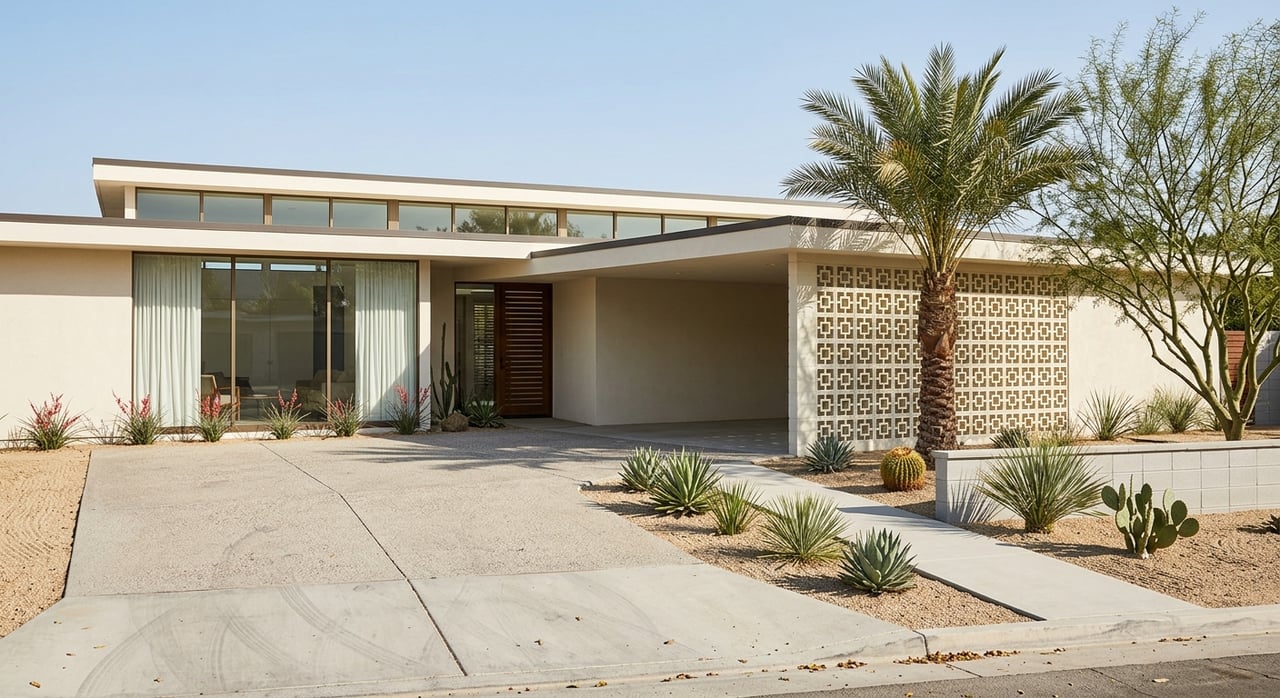
Dreaming of clean lines, walls of glass, and a pool framed by mountain views? In Palm Springs, midcentury homes offer more than a look. They offer a way of living that is tied to the desert, architecture, and outdoor space. If you are thinking about buying one, this guide will help you understand the lifestyle, the design details, and the practical issues that matter before you make a move. Let’s dive in.
Why Palm Springs Midcentury Homes Stand Out
Palm Springs has one of the largest concentrations of preserved midcentury modern architecture in the world. City and tourism materials describe it as a living museum, with a citywide historic survey that includes many homes built during the classic midcentury era through 1969.
That history is not just background. It shapes the city’s identity today, from architecture tours to Modernism Week each February. Palm Springs continues to celebrate the architects and developers who defined the look, including Albert Frey, Charles Du Bois, Donald Wexler, E. Stewart Williams, William Cody, John Lautner, William Krisel, Jack Meiselman, and the Alexander Construction Company.
What Defines A Midcentury Home
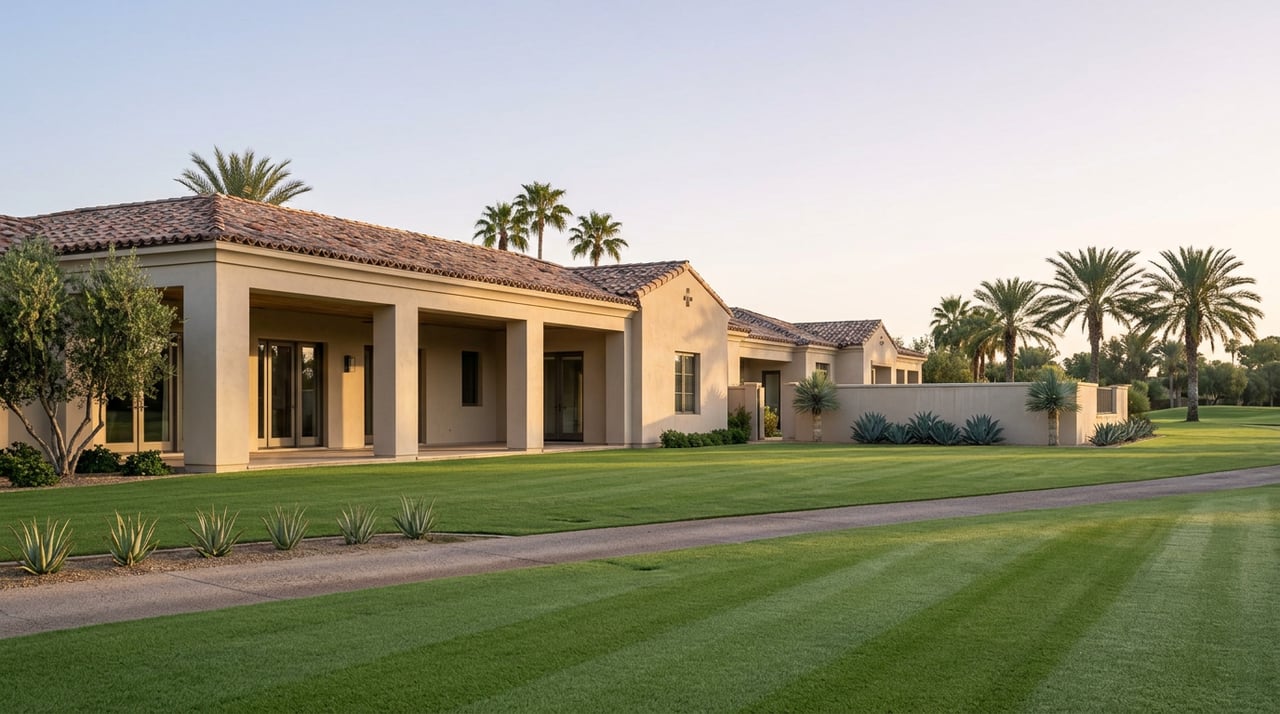
Palm Springs midcentury homes tend to share a clear set of design traits. You will often see clean lines, bold geometry, low horizontal forms, flat or butterfly roofs, post-and-beam construction, clerestory windows, expansive glass, sliding doors, breeze block, and attached carports.
These features were not chosen only for style. The city connects this architecture to the desert environment, where light, shade, airflow, and indoor-outdoor living all matter. In other words, the design is part of how the home functions day to day.
Floor Plans Built For Desert Living
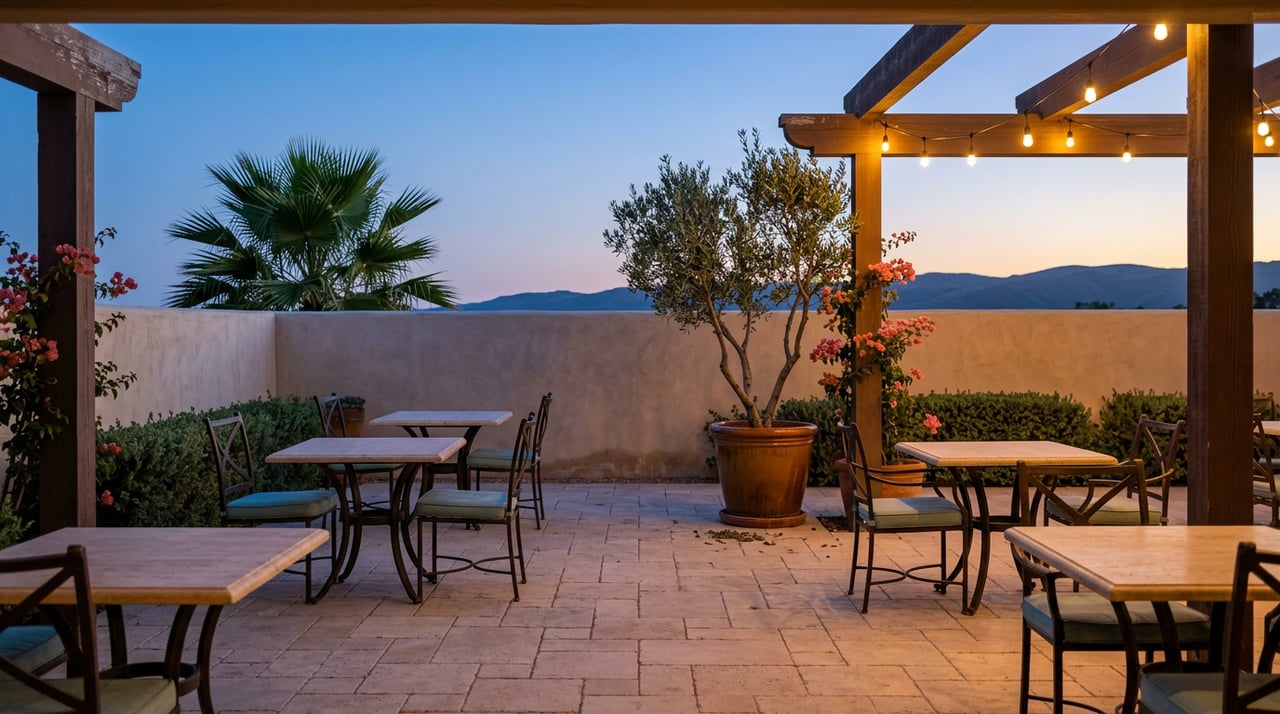
Many midcentury homes in Palm Springs are single-story with open layouts. Living areas often flow toward patios, courtyards, and pools, which helps create the easy entertaining style the city is known for.
The city’s historic inventory also documents homes with central garden courts, pool-centered layouts, and plans that open onto private patios or shared greenbelts. For you as a buyer, that means the outdoor space is often just as important as the square footage inside.
The Midcentury Lifestyle In Palm Springs
Buying a midcentury home here is often as much about lifestyle as architecture. These homes support a rhythm of living that feels relaxed, social, and connected to the outdoors.
You may picture mornings on the patio, afternoons by the pool, evening walks through architecturally distinct streets, and quick access to hiking, biking, golf, and downtown restaurants and hotels. That image lines up with how local tourism materials describe the Palm Springs experience.
Why Buyers Love The Indoor-Outdoor Flow
One of the biggest appeals is how naturally these homes connect interior rooms to exterior living areas. Expansive glass and sliding doors can make patios and pool decks feel like true extensions of the home.
That layout works especially well for buyers looking for a second home, a seasonal retreat, or a full-time residence with a strong entertaining focus. It also helps explain why so many buyers are drawn to original floor plans that preserve this connection.
More Than Celebrity History
Palm Springs midcentury design is often associated with famous names and glamorous estates, but the market is broader than that. Local architecture materials note that builders such as the Alexander Construction Company and Jack Meiselman helped make modernist second-home ownership more accessible.
That broader history matters because it means buyers can find midcentury character in a range of settings, not only in trophy properties. Some neighborhoods feature tract homes with iconic lines, while others include custom homes with deeper architectural pedigrees.
Where To Find Midcentury Homes
If you are focused on classic Palm Springs architecture, several neighborhoods are regularly highlighted in official local guides. Each has its own feel, housing mix, and architectural identity.
Racquet Club Estates
Racquet Club Estates is known for having more than 500 single-family homes, many of them iconic midcentury designs. For buyers who want a neighborhood with a strong concentration of recognizable Palm Springs style, this is often one of the first places to explore.
Twin Palms
Twin Palms is described by the city’s tourism materials as Palm Springs’ first truly modern housing tract. If you are looking for a neighborhood with historical importance and a strong connection to the evolution of desert modernism, Twin Palms stands out.
Vista Las Palmas
Vista Las Palmas is often mentioned in conversations about design pedigree and notable Palm Springs architecture. Buyers drawn to classic modernist lines and established neighborhood character often include it on their search list.
Deepwell Estates And Indian Canyons
Deepwell Estates and Indian Canyons blend custom homes, Hollywood history, and strong architectural identity. These neighborhoods can appeal to buyers who want larger homesites, distinctive design, and a setting that feels closely tied to Palm Springs’ legacy.
Sunmor Estates, Sunrise Park, And Desert Park Estates
Sunmor Estates is described as a remarkably intact collection of 141 homes with modernist rooflines, breezeways, and clerestory windows. Sunrise Park and Desert Park Estates are also recognized as places where buyers can still find classic midcentury homes.
If you are comparing neighborhoods, it helps to look beyond the exterior style alone. Street layout, lot size, orientation, privacy, pool placement, and proximity to downtown or recreation all affect how a home will live over time.
What Buyers Should Consider Before Purchasing
A Palm Springs midcentury home can be deeply rewarding to own, but it also comes with practical considerations. Before you buy, it is important to understand how preservation rules, climate, and maintenance may affect both your budget and your plans for the property.
Historic Status And Preservation Rules
Palm Springs has an active preservation framework designed to protect buildings that reflect the city’s cultural and architectural history. If a home is a Class 1 or Class 2 historic property, or located in a historic district, changes may require certificates of appropriateness, demolition review, or Historic Site Preservation Board approval.
That can affect renovation timelines, design choices, and what is possible with additions or exterior updates. In historic districts, the city states that new construction should complement existing historic structures and open-space character rather than copy them exactly.
Mills Act Tax Relief
For some qualifying historic properties, the Mills Act may offer meaningful property-tax relief. According to the City of Palm Springs, eligible properties may receive reductions that in some cases reach 40% to 60%, although the county tax assessor sets the tax rate.
That benefit comes with responsibilities. Owners must restore and maintain the home under contract, so it is important to review both the opportunity and the long-term obligations before relying on the savings in your buying decision.
Common Restoration And Maintenance Issues
The city points to several issues that can affect historic integrity and ownership planning. These include incorrect windows, non-original roofing, patio tiles, surface-mounted conduit, and non-permitted additions.
For you as a buyer, this means due diligence matters. A home may look beautifully preserved at first glance, but the details can have a real impact on future costs, approvals, and your ability to make changes.
Climate Matters More Than You Think
In Palm Springs, climate is part of the story of every home. NOAA normals for Palm Springs Regional Airport show average highs of 108.6°F in July and 108.1°F in August, with annual precipitation of just 4.61 inches.
That kind of environment affects how you should evaluate a property. Cooling systems, shade, durable exterior materials, pool equipment, and desert-appropriate landscaping are not secondary details. They are central to comfort, upkeep, and operating costs.
Key Features To Evaluate
When touring a midcentury home, pay close attention to how the property handles heat and sun exposure. Consider:
- The condition and capacity of cooling systems
- Window placement and how much direct sun the home receives
- Shade structures, overhangs, and patio cover
- Pool condition and equipment maintenance
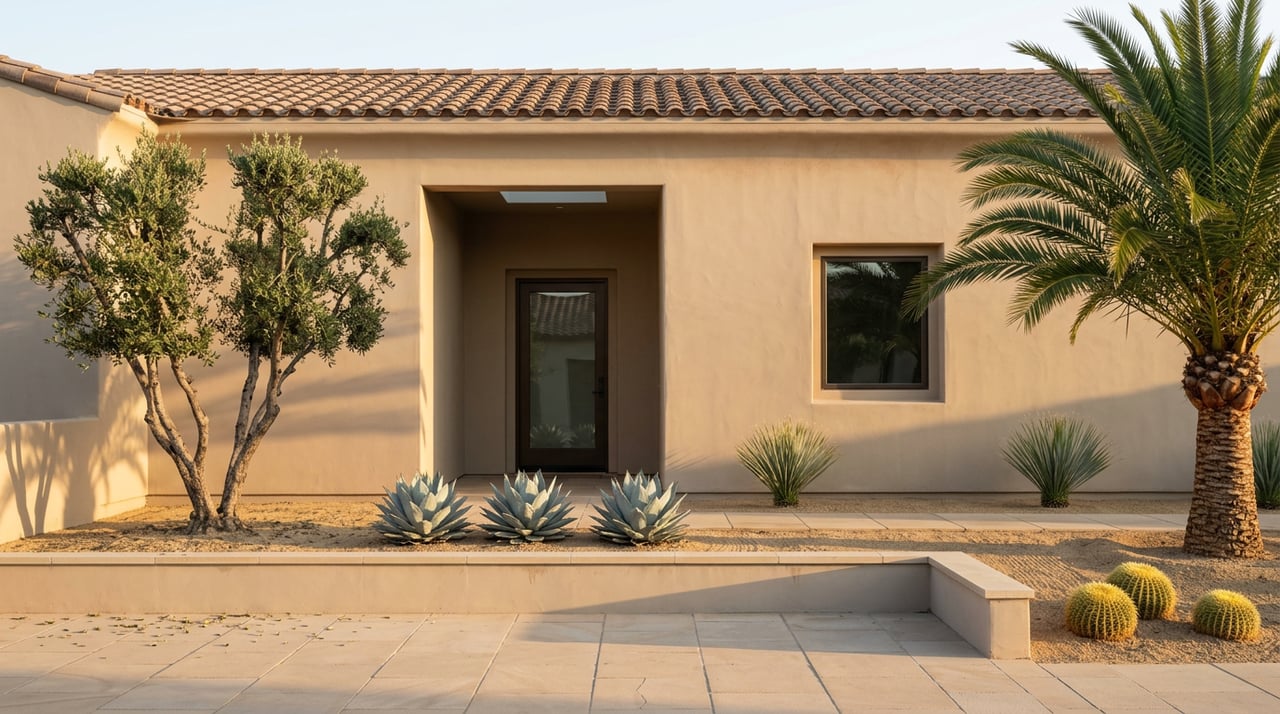
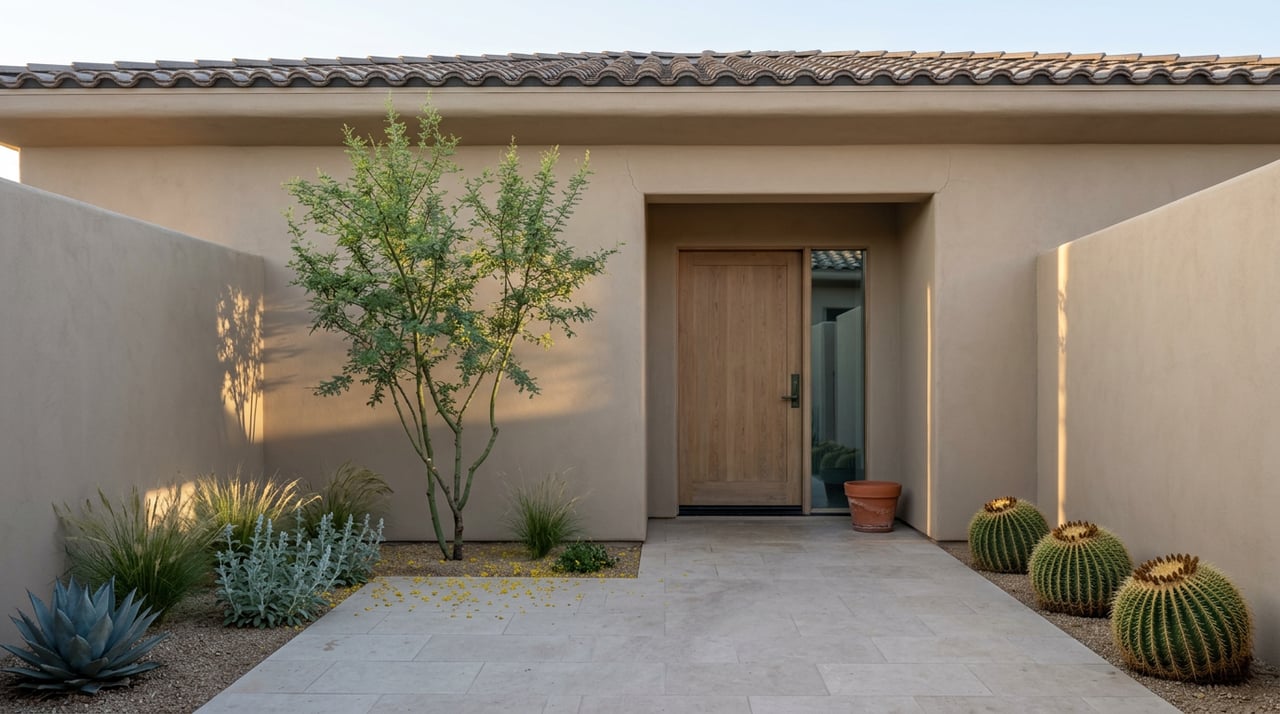
- Landscaping suited to low rainfall and desert conditions
- Exterior materials that can hold up well in intense heat
The city also encourages energy-efficient and green-building practices that fit the desert climate. If you plan to update a property, those strategies may be worth factoring into your long-term ownership plan.
How To Shop Smart For A Midcentury Home
A thoughtful purchase starts with clarity about what matters most to you. Some buyers want an architecturally significant home with original details, while others want the midcentury look with more updated systems and finishes.
A few smart questions can help narrow your search:
- Do you want a home in a historic district or would you prefer more flexibility?
- Are you comfortable taking on restoration work?
- Is originality your top priority, or do you prefer tasteful updates?
- How important are pool orientation, privacy, and outdoor entertaining space?
- Do you want quick access to downtown, golf, hiking, or biking?
If you are buying in Palm Springs, it also helps to work with an advisor who understands how architecture, local rules, and property condition intersect. That is especially true when you are weighing renovation potential, historic considerations, or the long-term value of a special home.
Palm Springs midcentury homes can offer beauty, personality, and a lifestyle that is hard to replicate elsewhere. The right purchase is not only about finding a striking facade. It is about choosing a home that fits how you want to live, what level of maintenance you want to take on, and how you plan to enjoy the desert for years to come.
If you are considering a midcentury home in Palm Springs and want clear, tailored guidance, Kimberly Oleson can help you evaluate the lifestyle fit, the property details, and the transaction with confidence.
FAQs
What makes Palm Springs midcentury homes different from other desert homes?
- Palm Springs midcentury homes are known for clean lines, low horizontal forms, flat or butterfly roofs, clerestory windows, expansive glass, breeze block, and strong indoor-outdoor living designed for the desert climate.
Which Palm Springs neighborhoods are known for midcentury homes?
- Official local guides highlight Racquet Club Estates, Twin Palms, Vista Las Palmas, Deepwell Estates, Indian Canyons, Sunmor Estates, Sunrise Park, and Desert Park Estates.
Do Palm Springs historic homes have renovation restrictions?
- Yes. Class 1 and Class 2 historic properties, as well as homes in historic districts, may require city review, certificates of appropriateness, demolition review, or Historic Site Preservation Board approval for certain changes.
Can a Palm Springs historic home qualify for property-tax savings?
- Some qualifying historic properties may be eligible for Mills Act tax relief, and the City of Palm Springs says savings can in some cases reach 40% to 60%, with the county tax assessor setting the tax rate.
What climate issues should buyers consider with Palm Springs midcentury homes?
- Buyers should expect heavy reliance on cooling, shade, durable exterior materials, and well-maintained pools and landscaping because Palm Springs has extremely hot summer temperatures and very low annual rainfall.
Are Palm Springs midcentury homes only luxury celebrity properties?
- No. Local architecture materials note that builders such as the Alexander Construction Company and Jack Meiselman helped make modernist second-home ownership more accessible, so the market includes more than just celebrity estates.