Thinking about selling your home in Rancho La Quinta Country Club? You are not alone. Owners are seeing strong interest in view-driven, lifestyle properties, and well-prepared listings still stand out. If you want a smooth sale and top-of-market results, the details matter: timing, disclosures, staging, and clear communication about club membership. This guide walks you through the key steps, timelines, and legal checkpoints so you can sell with confidence. Let’s dive in.
Know the community and what you are selling
Rancho La Quinta Country Club is a private, master-planned community of roughly 700 acres wrapped around two 18-hole courses. The Master Association owns the Country Club facilities and operates the Club as a non-equity club for the benefit of homeowners. Golf is a separately priced privilege with a capped number of memberships. In plain terms, your home sale and club membership are different things. Treat golf membership as a separate, administrative matter when you market and negotiate your sale. You can confirm the ownership model, maximum golf membership count, and general club structure in the community’s official Fact Sheet.
Many owners enjoy social, fitness, and racquet privileges through the HOA, while full golf usually requires a paid membership. Buyers often ask whether golf is included, if there is a waitlist, and what transfer or initiation fees apply. Before you list, request current membership availability, transfer rules, and any applicable fees from the Club office so you can answer cleanly and set proper expectations. The Fact Sheet is a strong starting point.
Recent capital projects, including the Pate course renovation in 2024 and a planned Jones course renovation, shape buyer expectations. They also can tie to special assessments or capital contributions. Review recent board minutes and reserve study summaries to understand funding plans and disclose any approved or pending assessments to buyers.
Time your sale for the desert’s demand cycle
The Coachella Valley’s high season typically runs from fall through spring. Listing in early or late fall can capture early arrivals, while a January launch often meets strong in-market demand. The tradeoff is competition, since many sellers target these same months. If you plan ahead, the seasonal surge can help your days on market and showing activity.
Large events, like the BNP Paribas Open each March, bring extra visitors to the Valley and can influence showing schedules and open-house timing. If you are on market in March, plan your availability around the event calendar and consider targeted showing windows to leverage increased traffic. Learn more about the event at the BNP Paribas Open.
Expect a high share of second-home and out-of-area buyers during peak months. Flexible midweek and afternoon showings, quick document delivery, and readiness for remote decision-making will help you convert interest into offers.
Pre-list inspections and smart repairs
Many sellers order key inspections before going live. Common choices include:
- Full home inspection for major systems and structure
- Roof inspection
- HVAC service report
- Wood-destroying pest/termite inspection and report
- Pool and spa equipment inspection
- Sewer lateral check if you suspect an issue or are told of a local requirement
Pre-list inspections can reduce renegotiations and speed escrow by eliminating surprises. Even if you inspect early, California still requires sellers to deliver statutory disclosures like the Transfer Disclosure Statement and the Natural Hazard Disclosure. For timing and buyer cancellation rights, review Civil Code §1102.
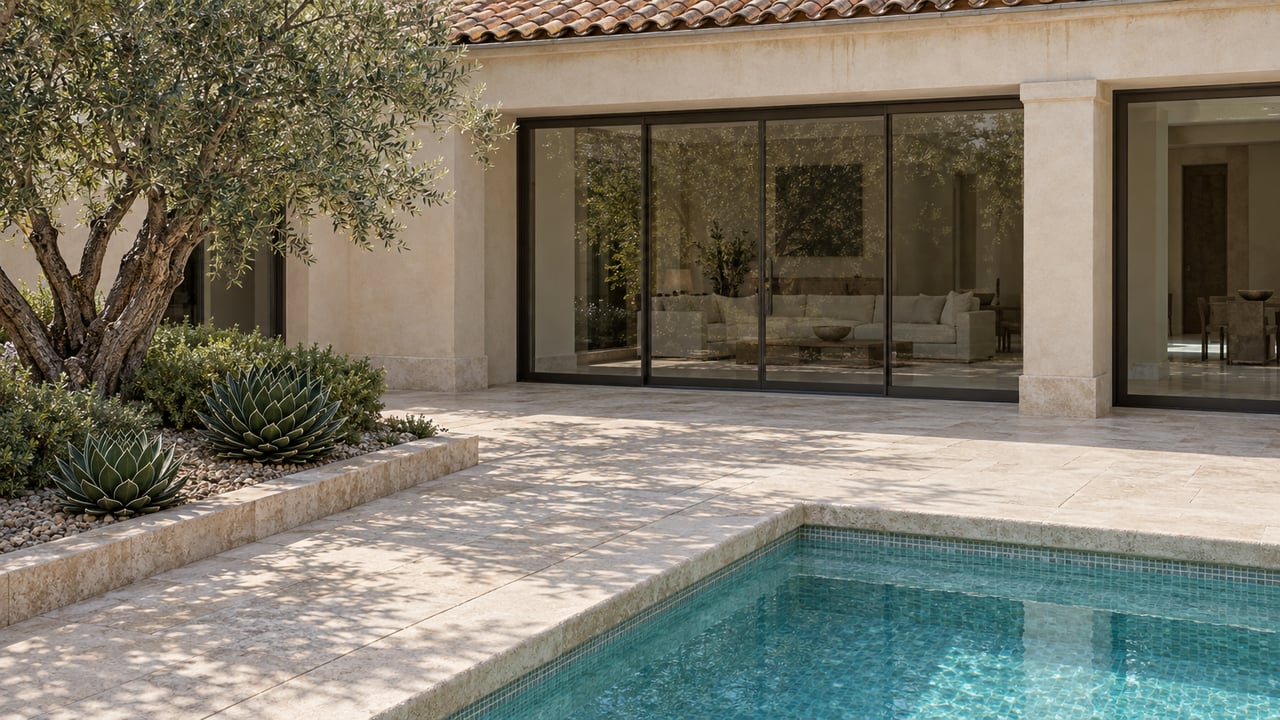
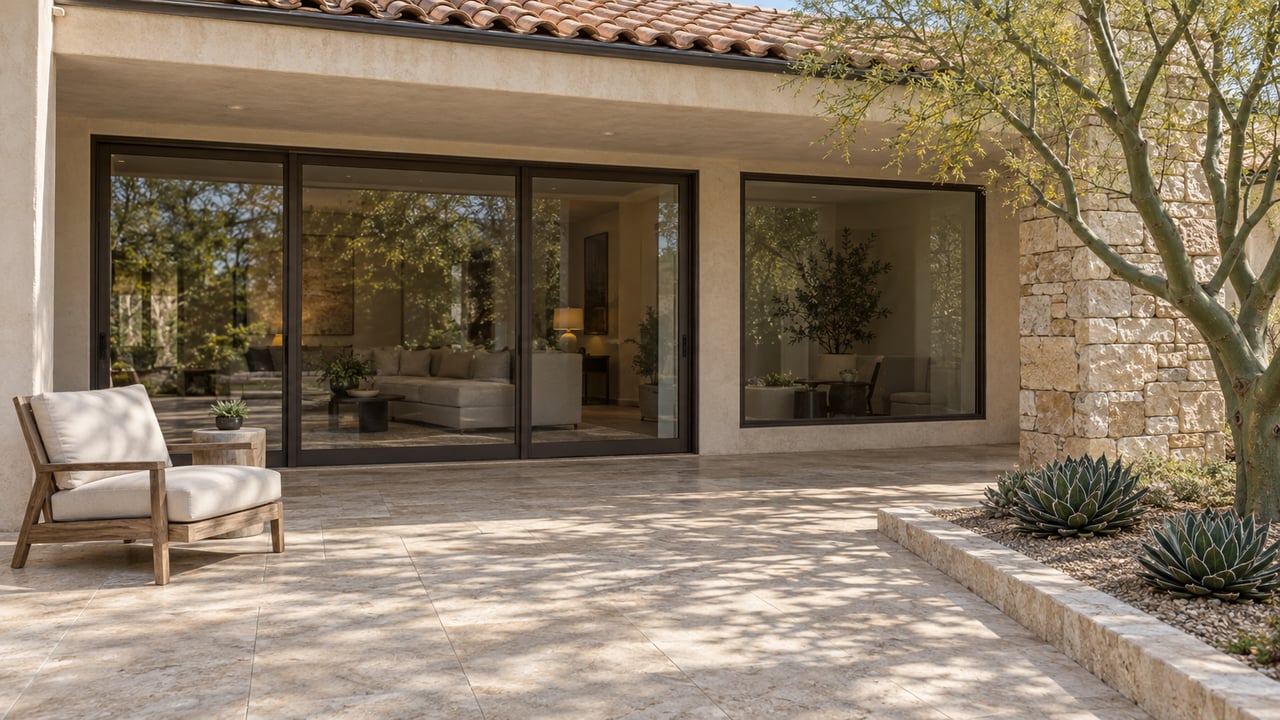
Strategy-wise, you can either complete targeted, high-impact repairs before launch or disclose known conditions and price accordingly. In golf-course communities, exterior presentation carries outsized weight. Clean sightlines to the course, fresh landscape touches, and a well-functioning pool or spa can make your photos and showings pop.
Note on local compliance: La Quinta does not promote a citywide sewer-lateral resale program like some coastal cities, but rules can change. If you suspect a sewer issue or have been notified of a requirement, consult your escrow and title team and check current City of La Quinta guidance.
Stage for the view and photograph like a magazine
Staging remains one of the best returns for sellers. National data from the National Association of Realtors indicates staged homes often sell faster and help buyers visualize the property. Review NAR’s guidance on why staging works and what to prioritize on the NAR staging resource page.
For Rancho La Quinta’s view and lifestyle homes, focus on:
- Maximizing the view. Wash windows, remove heavy drapes, and reposition furniture to draw the eye outside.
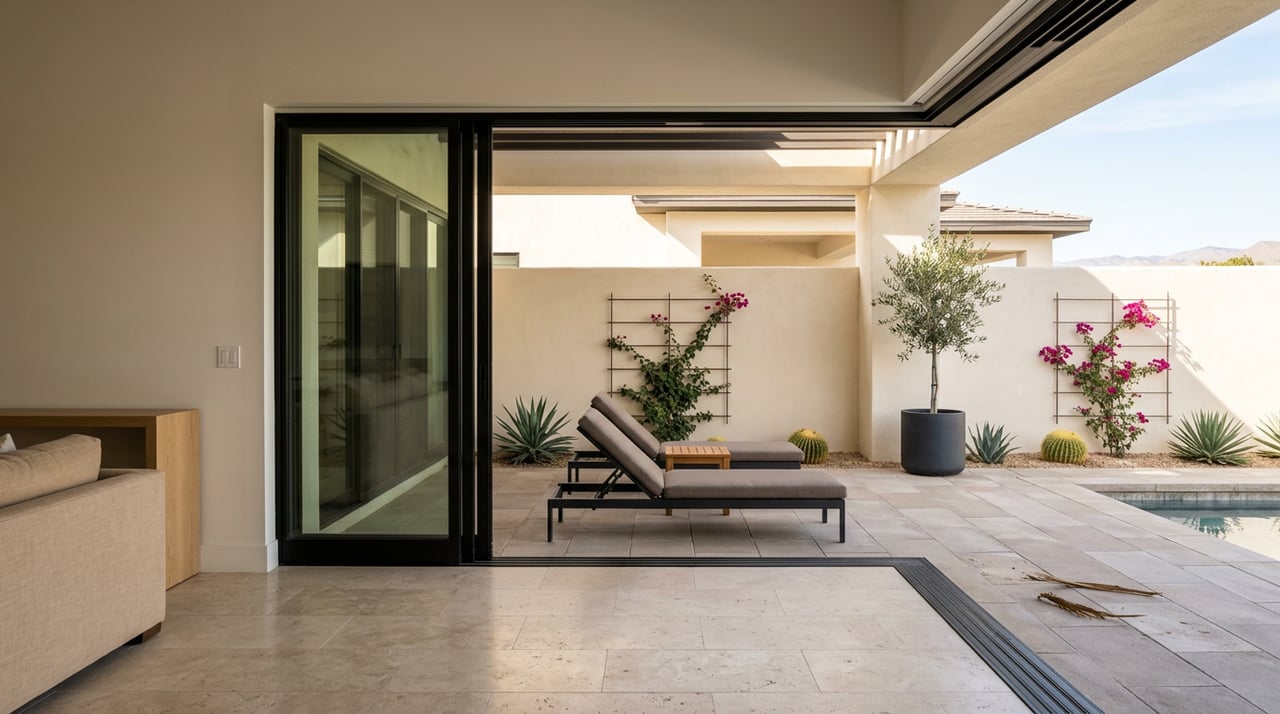
- Showcasing outdoor rooms. Create simple seating and dining vignettes to feature the usable patio space and mountain or fairway vistas.
- Pool and patio readiness. Ensure the pool, spa, and landscape lighting work. Plan a twilight photoshoot to highlight the setting.
- Bright, neutral interiors. Light paint and uncluttered surfaces help the view read clearly in photos.
- Smart photo timing. Shoot exteriors and main rooms when sun angles flatter your lot orientation and avoid harsh midday glare.
Professional photography is essential. In many cases, twilight, daylight, and selective drone shots (where permitted) will anchor your marketing.
Price and comp within the club context
Pricing within a master-planned club requires precision. Prioritize comps from Rancho La Quinta itself. If possible, match the same floor plan and lot type, noting whether the home sits on a fairway or a non-fairway location. Consider seasonality when reviewing recent sales, and adjust for upgrades like a newer pool, remodeled kitchen, or premium outdoor living. Be clear on what, if any, membership components are included. While social or fitness privileges may follow ownership, full golf access is typically separate and limited.
HOA and club disclosures you must provide
If you sell a home in a common interest development in California, you must deliver a specific resale disclosure package. The Davis-Stirling Act outlines the contents in Civil Code §4525. Required items include governing documents, rules and regulations, operating budget, reserve disclosures, insurance summary, a statement of current assessments, and notice of any unpaid assessments or violations. Buyers may also request the last 12 months of approved board minutes and certain inspection reports.
On written request, the association must provide the resale documents within 10 days, and it may charge a reasonable, itemized fee for delivery. Electronic delivery cannot be billed as an extra charge. See Civil Code §4530 for timing and fee rules.
Because these packets can be lengthy and because statutory timing can affect buyer rescission rights, order them early. Many sellers request the packet immediately after accepting an offer or even prepare a summary before listing. Ordering early reduces delays and last-minute renegotiations.
Membership details matter. Since the Master Association owns the Club and golf membership is separate, request current membership rules, maximum counts, transfer steps, and any initiation costs directly from the Club before you list. Use the community Fact Sheet to frame the basics and provide updates from the Club office to interested buyers.
Showings, offers, and escrow game plan
- Be flexible during peak season. Expect clustered showings, including midweek and afternoon visits. Keep the home show-ready and respond quickly to requests from out-of-area buyers.
- Leverage the event calendar. Align open houses and private showings with high-traffic periods, including early March around the BNP Paribas Open.
- Deliver documents early. Provide disclosures and the HOA packet as soon as possible to reduce rescission risk and compress contingencies. For a deeper perspective on why short HOA review windows often backfire, see this practical explanation on HOA document review timing.
- Clarify membership. State plainly what is and is not included with the sale, and who the buyer should contact at the Club for membership availability.
Your 6–12 month seller timeline
Here is a simple, practical timeline to keep you on track.
6–12 months before listing
- Gather permits, contractor invoices, warranties, and receipts for major systems and improvements.
- Contact the Association and Club for recent board minutes, reserve summaries, and status of capital projects. Note any planned assessments or contribution schedules you will need to disclose.
60–90 days before listing
- Order pre-list inspections: home, roof, WDO/termite, HVAC service, and pool/spa. Add a sewer scope if you suspect an issue.
- Ask your agent to prepare or order the HOA resale packet early. Under Civil Code §4530, the association has 10 days to produce documents after a written request.
30–14 days before listing
- Complete high-impact repairs. Keep paid invoices and permits.
- Stage primary rooms and outdoor spaces. Book professional photography for daylight and twilight, and drone where helpful and permitted.
- Assemble your disclosures folder: TDS, NHD, seller questionnaires, termite report, inspection summaries, and the HOA packet or proof it has been ordered. Review Civil Code §1102 for statutory disclosure timing.
Day of listing and first two weeks
- Share the HOA summary and confirm escrow has the full packet on order. Disclose any known Club or Association projects or assessments.
- Keep showing windows open during peak season. In off-season, consider a focused open-house push to capture visiting buyers.
Common pitfalls to avoid
- Assuming golf transfers with the house. It does not transfer automatically. Verify membership availability and transfer steps with the Club and share that information with buyers. Use the Club’s Fact Sheet as your baseline.
- Delaying the HOA packet. Waiting can extend escrow or trigger cancellations. Order early per Civil Code §4530.
- Overlooking capital projects. Buyers expect clarity on clubhouse or course improvements, timelines, and any approved assessments.
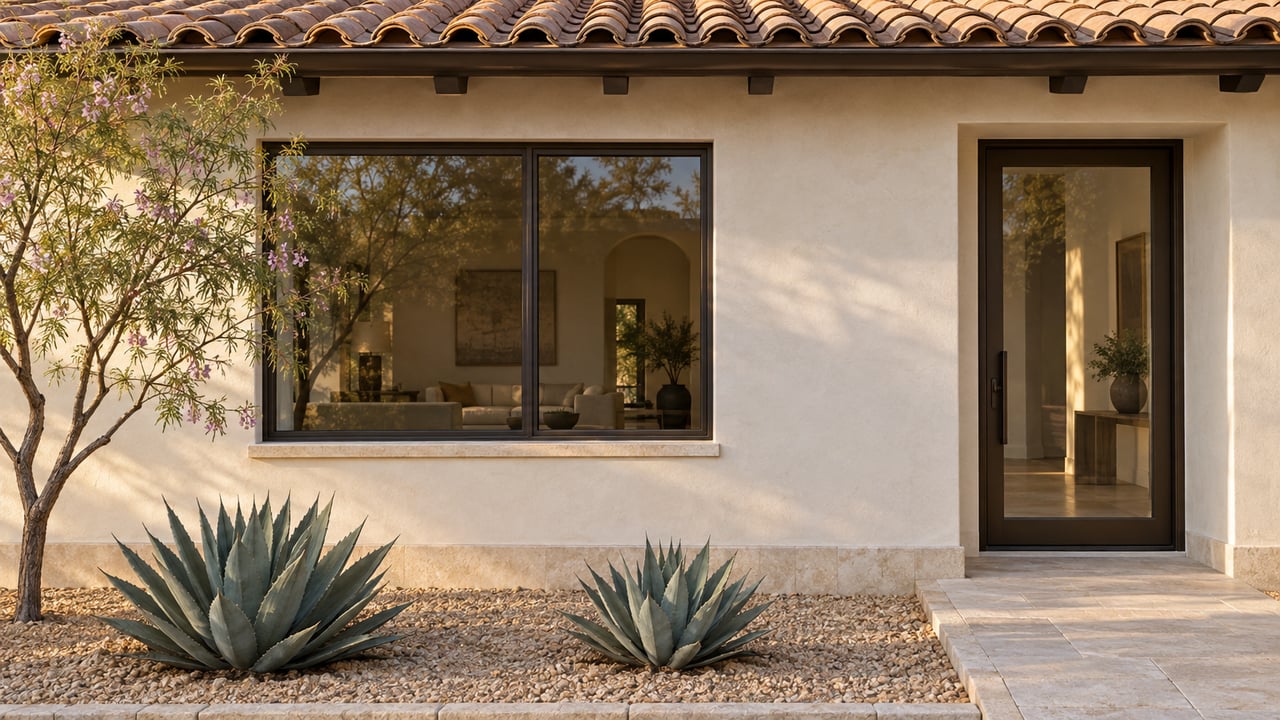
- Under-prepping exteriors. In a view-centric market, patios, landscaping, and pool function strongly influence buyer perception and marketing impact.
Ready to take your next step?
Selling in Rancho La Quinta is about more than a price tag. It is about presenting a lifestyle with legal clarity and polished marketing. If you want a boutique, contract-savvy approach tailored to country-club homes, connect with Kimberly Oleson. She will help you time the market, prepare disclosures, stage for impact, and negotiate with confidence.
FAQs
Is golf membership included when selling a Rancho La Quinta home?
- Golf access is a separate, limited membership at a non-equity Club and does not automatically transfer with the home. Confirm availability, transfer steps, and any fees with the Club. See the community Fact Sheet for the core model.
What HOA documents must I provide to a buyer in California?
- Sellers must deliver a resale disclosure package that includes governing documents, budgets, reserve disclosures, insurance summaries, assessment statements, and more. See Civil Code §4525.
How long does the HOA resale packet take to arrive?
- After a written request, the association must provide the documents within 10 days and may charge a reasonable, itemized fee. See Civil Code §4530.
Do I still need to complete disclosures if I order pre-list inspections?
- Yes. Pre-list inspections help reduce surprises, but you must still deliver statutory disclosures such as the Transfer Disclosure Statement and the Natural Hazard Disclosure. See Civil Code §1102.
When is the best time to list a Rancho La Quinta home?
- Buyer traffic typically rises from fall through spring, with a notable surge in January and around major Valley events like the BNP Paribas Open. Align your prep and launch with that window for maximum visibility.